Micro-Incisional Dento-Alveolar Surgery: Common FAQs
Dental surgery is a serious surgical treatment, and many patients do require some level of dental surgery every year for a range of conditions. If you are working with a qualified dental group like the Heritage Oral Surgery & Implant Centers, MIDAS surgery may be a possibility for your treatment.
What exactly is MIDAS?
Micro-Incisional Dento-Alveolar Surgery (MIDAS) is a form of surgical treatment that involves making microscopic incisions to perform oral surgery, which allows for procedures to be done in the most minimally invasive way possible. The dentist uses special tools and equipment to perform the surgery, and not all dentists offer MIDAS services. During MIDAS, the surgeon takes great care to reduce how much bone is affected, which can be beneficial for all the mouth’s structures.
What are the advantages of MIDAS for dental procedures?
The primary advantage of MIDAS for dental procedures is the fact that the surgery can be done without creating large incisions in the soft tissues in the mouth. For patients who are prone to infection, this form of surgery can be incredibly advantageous because healing times are reduced. Pain and inflammation after surgery are less prevalent and suturing incisions with stitches is not often required because the incisions are so small. MIDAS dental surgery can be good for children, people with disabilities, and the elderly in particular, but the advantages can be reaped by just about any patient.
What procedures can MIDAS be used in?
MIDAS surgery can be used to perform a range of dental surgical procedures, including root repositioning, bone work, and potentially extractions of embedded or unerupted teeth. Some dentists use MIDAS during temporomandibular surgery and other treatments involving the bones in the jaws. MIDAS techniques are commonly used during cosmetic dental surgery procedures as well.
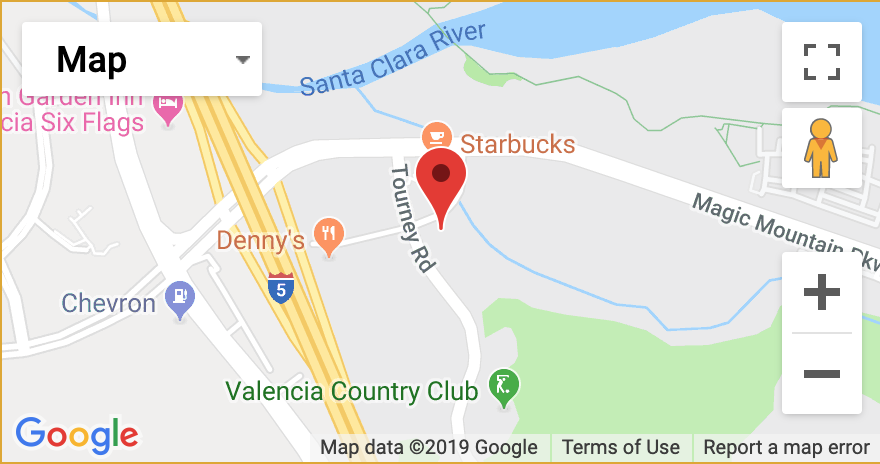
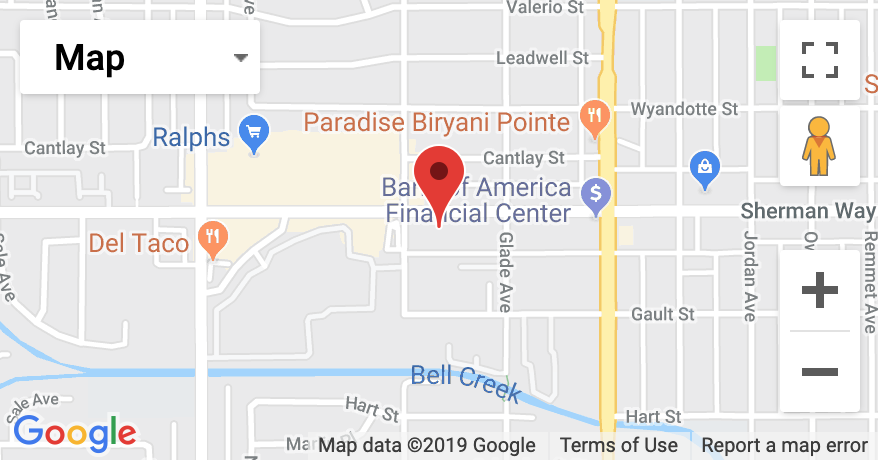
Learn More About Micro-Incisional Dento-Alveolar Surgery in Valencia, CA
MIDAS surgery can be a good option for many patients, and dental insurance may cover some of the costs. As it is with any type of surgical treatment, it is important to get familiar with it before the procedure. For more information about MIDAS, reach out to us at Heritage Oral Surgery & Implant Centers in Valencia, CA to schedule an appointment.